If you are looking at hiring an event planning company, you probably want clarity before anything else.
What will they actually handle?
What stays with your internal team?
And how do you know you are getting real value?
Event planning services can sound broad. Sometimes too broad. Every event planning business promises “end to end support,” but that phrase can mean very different things depending on the provider.
Events are not small line items. In many B2B organizations, they account for 20 to 30 percent of the total marketing budget. According to industry research, 74 percent of B2B marketers say in-person events generate their highest quality leads. That makes events one of the most expensive and most scrutinized marketing channels.
So transparency matters.
This guide will walk you through what event planning services typically include, what is often not included, and what you should confirm before making a decision.
What Event Planning Services Cover
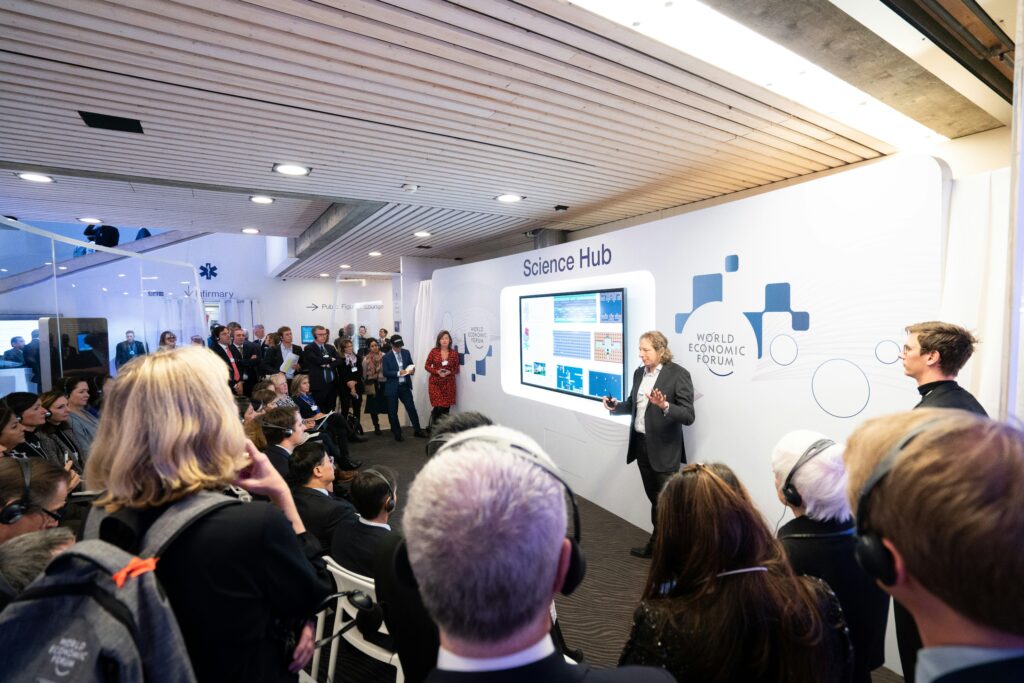
At its core, event planning services support the strategy, coordination, and execution of business events. This includes trade shows, conferences, executive forums, product launches, and customer gatherings.
But for companies focused on growth, event planning is not just about running an event. It is about delivering measurable outcomes.
Freeman research shows that 95 percent of marketers believe live events create valuable in-person connections in today’s digital landscape. That human connection drives trust. And trust drives deals. But connection alone is not enough. Businesses need structure behind it.
Strong event planning services usually include five main areas: strategy, financial management, operational execution, marketing support, and measurement.
Let’s break those down in plain terms.
1. Strategy and Objective Setting
Professional event planning services should begin with business alignment.
Before venues are sourced or booths are designed, the conversation should focus on goals. Are you aiming to generate new pipeline? Strengthen customer retention? Support a product launch? Accelerate late-stage deals?
Clear objectives shape every decision that follows.
Organizations that define event KPIs upfront are significantly more likely to report positive ROI. That is not theory. It is consistent across industry studies.
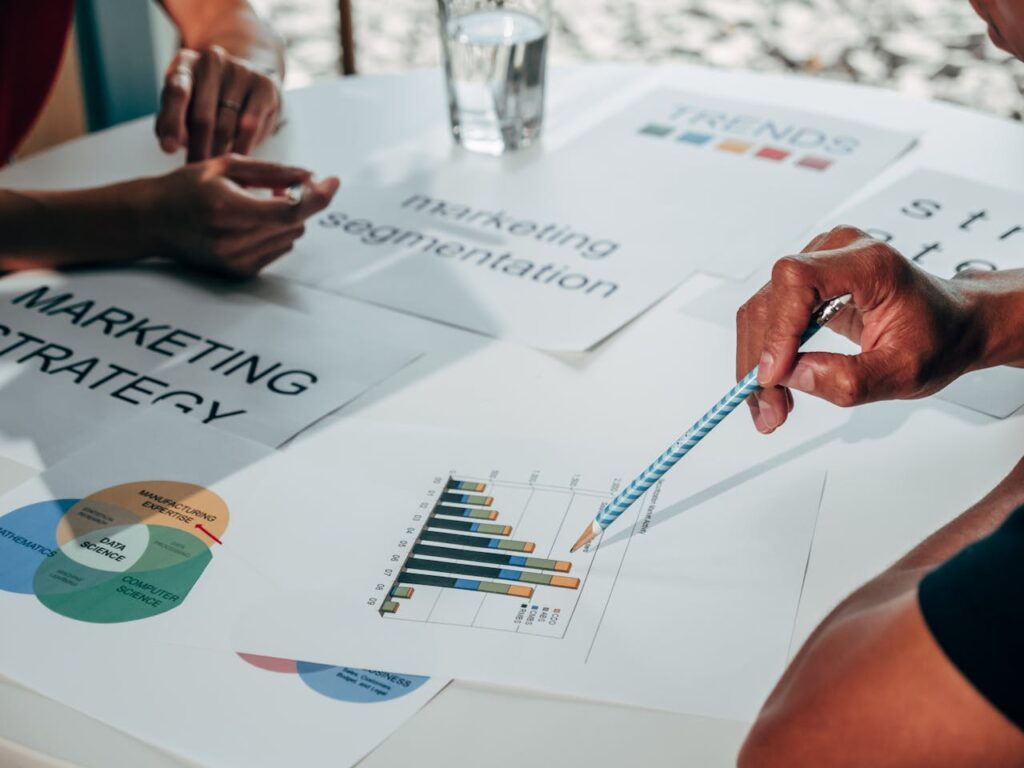
A strong event planning company will help define what success looks like and how it will be measured. That might include booked meetings, qualified leads, influenced revenue, or customer engagement metrics.
If the conversation starts with logistics instead of outcomes, the event may end up being busy rather than effective.
2. Budget Planning and Financial Oversight
One of the most valuable parts of event planning services is financial control.
Events involve multiple cost categories: venue, production, staffing, shipping, creative, technology, and marketing. Without structure, budgets expand quickly.
A professional event planning business builds a detailed forecast at the start, tracks costs throughout the process, and provides ongoing updates. After the event, they deliver reconciliation reports that show planned versus actual spend.
Cost transparency is one of the top concerns buyers raise when evaluating an event planning company. Clear reporting builds trust internally, especially when presenting results to senior leadership.
Financial clarity is not administrative work. It protects ROI.
3. Venue and Vendor Management
For conferences and hosted events, venue sourcing is often a central service.
This includes identifying suitable locations, managing proposals, negotiating contracts, and reviewing terms related to cancellation and minimum spend. Venue contracts can carry significant financial risk if not carefully reviewed.
Experienced planners know how to negotiate favorable concessions. Even modest improvements in terms can lead to meaningful savings.
For trade show exhibitors, the focus shifts from venue selection to vendor coordination. Exhibit builders, audio visual teams, freight providers, and staffing agencies all require oversight.
Event planning services typically include coordinating these vendors against structured timelines to ensure nothing falls through the cracks.
Operational smoothness directly affects attendee perception. Studies show that logistical issues are one of the primary drivers of negative event experiences. Strong coordination protects brand credibility.
4. Production and On-Site Execution
On-site management is where event planning becomes visible.
This includes supervising setup, managing schedules, supporting speakers, coordinating technical rehearsals, and resolving unexpected issues. Live events are dynamic environments. Something will change. Something will shift. The difference lies in how quickly it is handled.
A professional event planning company anticipates challenges and responds calmly.
On-site support also includes staffing coordination. Your team represents your brand. Preparation matters. Clear messaging and defined objectives help staff engage with purpose rather than simply collecting badge scans.
Freeman research indicates that attendees are more likely to engage meaningfully when experiences are structured and staff are knowledgeable. Execution quality influences results.
5. Marketing and Audience Engagement
This is where event planning vary significantly.
Some providers focus strictly on operational delivery. Others integrate marketing and demand generation support.
Marketing integration may include pre-event email campaigns, account-based outreach, meeting scheduling support, and promotional coordination.
Pre-event engagement drives stronger results. Companies that schedule meetings before trade shows report higher quality interactions and improved conversion rates compared to relying solely on foot traffic.
If lead generation is a primary objective, marketing alignment should be built into the planning process from the beginning.
Always confirm whether marketing services are included in your agreement or treated as an add-on.
6. Lead Capture and Data Management
Modern event planning services increasingly include structured lead capture and reporting processes.
This involves aligning on qualification criteria, integrating capture tools with your CRM, and defining follow-up workflows before the event begins.
Research on sales response time consistently shows that contacting a lead within the first hour significantly improves engagement outcomes. Without a defined follow-up plan, valuable leads can go cold quickly.
Some event planning companies manage this integration directly. Others provide guidance while your internal marketing operations team handles the technical setup.
Clarifying ownership here is essential.
7. Post-Event Reporting and Measurement
The event does not end when the booth is dismantled or the last guest leaves.
Post-event reporting is where performance becomes visible. This can include reviewing budget outcomes, analyzing lead quality, tracking influenced pipeline, and evaluating KPI performance.
Organizations that measure event ROI consistently are more confident in maintaining or increasing event investment. Data replaces guesswork.
If reporting only includes attendance numbers or badge scans, it is incomplete. Business impact should be part of the evaluation.
What Event Planning Services Usually Do Not Include
It is equally important to understand what typically sits outside the scope.
An event planning company does not replace your sales team. They can support meeting coordination and tracking, but deal closure remains internal.
Long-term marketing automation programs often fall outside event planning services unless specifically contracted. Full brand overhauls and product development strategy are also separate disciplines.
Clear scope prevents misunderstanding.
Choosing the Right Event Planning Company
When evaluating an event planning business, focus on clarity.
Ask how success will be measured, how budgets are controlled, how marketing and sales alignment are managed and what reporting you will receive after the event.
Large organizers such as Freeman, Informa, and RX Global succeed because they combine operational scale with structured processes. They understand that events must deliver business value, not just attendance.
Whether you work with a global operator or a specialized event planning company, the fundamentals remain the same.
- Clear goals.
- Disciplined execution.
- Transparent reporting.
AMD Event Solutions
At AMD Event Solutions, we approach event planning services with a business-first mindset.
We start with strategy and measurable objectives, align marketing and sales early. Manage logistics with precision. And we close the loop with structured reporting that connects event activity to pipeline impact.
Our focus is not just delivering an event. It is building events as growth channels. If you are looking for event planning services that prioritize clarity, alignment, and measurable outcomes, that is where we operate.
Events work best when they are structured. When scope is transparent. When goals are defined early. And when performance is measured honestly.
That is how event planning moves from activity to impact.