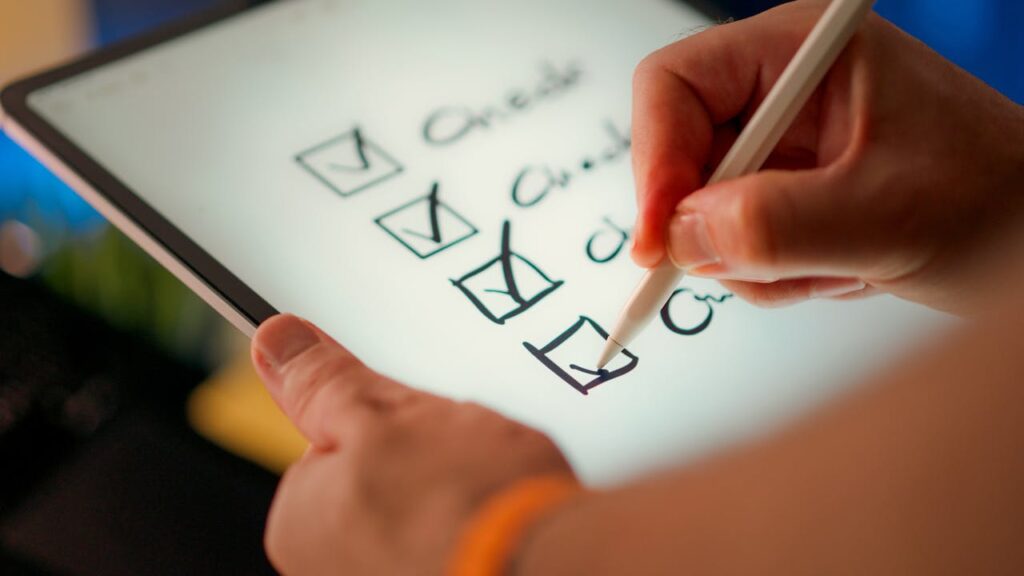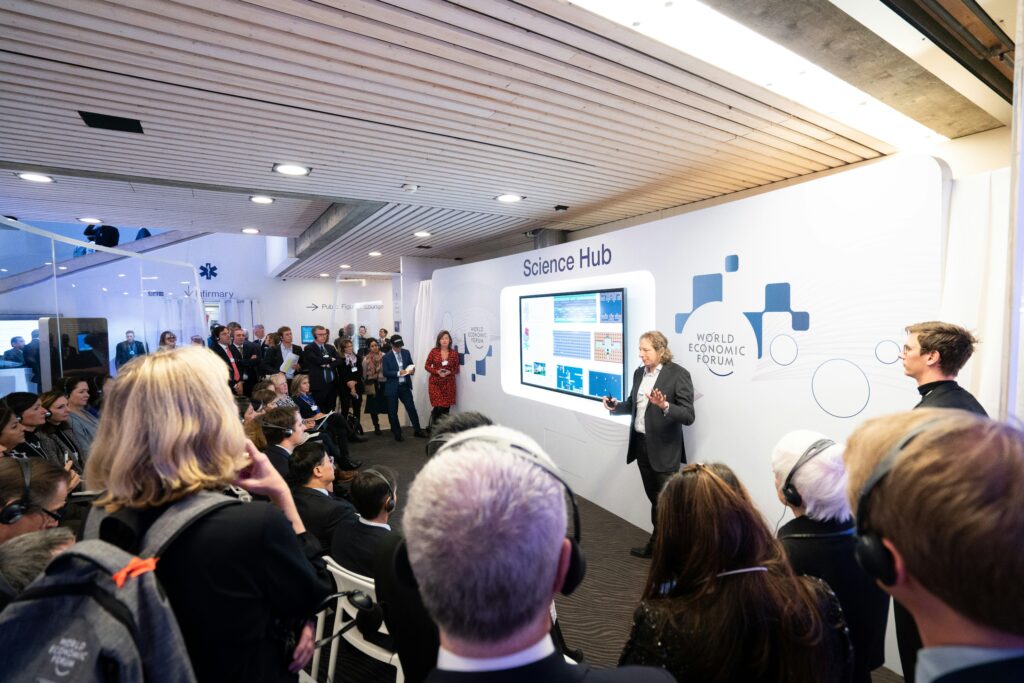

If you have never led an event before, the whole thing can feel overwhelming.
Where do you even start? What comes first? How do you know if it will actually drive business results?
When most people hear the phrase event planning, they picture venues, catering, signage, and schedules. Those things matter. But for businesses, especially B2B companies, event planning is not just about logistics. It is about growth.
Trade shows, conferences, customer events, partner summits, product launches. These are not just experiences. They are revenue opportunities.
In fact, according to recent industry research, 74 percent of B2B marketers say in-person events are their most effective marketing channel. Around 80 percent of marketers believe live events are critical to company success.
And companies that integrate events into their demand generation strategy see stronger pipeline influence compared to those who treat events as standalone moments.
So let’s walk through this calmly and clearly.
Here is how event planning works for businesses, from the initial idea to execution and beyond.
Start With the Business Goal, Not the Event
The first mistake many companies make when thinking about event planning is asking:
“What event should we attend?”
The better question is:
“What business outcome are we trying to drive?”
Do you want to generate qualified leads?
Accelerate pipeline?
Launch a new product?
Strengthen relationships with top accounts?
Improve brand awareness in a specific market?
Event planning starts with clarity. Without it, you end up measuring the wrong things. You might celebrate booth traffic when what you actually needed was executive meetings. You might focus on badge scans when what matters is sales conversations.
When we guide clients through this stage, we usually ask:
-
What does success look like 90 days after this event?
-
How will sales use the leads?
-
What stage of the funnel are we targeting?
This is where strategy leads and execution follows.
Define the Audience
Once the business goal is clear, the next step in event planning is defining the audience.
Not “everyone who might attend.”
Not “anyone interested in tech.”
The real, specific target.
For B2B events, clarity matters. According to Forrester, B2B buying decisions often involve 6 to 10 decision makers. That means the person who scans your booth may not be the final buyer. You need to know who you are trying to attract and why.
Ask:
-
Are we targeting CMOs, technical buyers, procurement leaders?
-
Are they existing customers or net new prospects?
-
Are we looking for enterprise accounts or mid-market companies?
This shapes everything. Your messaging, your booth experience, your pre-event marketing, even the conversations your sales team prepares for.
Strong event planning connects the right audience with the right message at the right time.
Build the Event Strategy
Now we move into structured planning.
This is where “how to plan an event” becomes practical.
An effective event strategy includes:
-
Clear KPIs
-
Budget alignment
-
Timeline
-
Sales alignment
-
Marketing integration
Let’s talk about KPIs.
If your goal is pipeline generation, your KPI might not be number of badge scans. It might be:
-
Number of booked meetings
-
Number of qualified opportunities created
-
Pipeline value influenced
-
Follow-up engagement rate
Companies that align event KPIs with sales outcomes see significantly better ROI tracking. According to EventTrack research, brands that use structured measurement frameworks are more likely to report strong business impact from events.
Budget comes next.
Event budgets vary widely, but B2B companies often allocate 20 to 30 percent of their marketing budget to events. That means the stakes are high. Budget should support goals. If executive meetings are critical, investing in a private meeting space might matter more than oversized signage.
Then comes alignment.
Sales needs to be involved early. If sales is not bought in before the event, follow-up will suffer. Research shows that speed to lead dramatically impacts conversion rates. Responding within the first hour increases the chance of qualification significantly compared to waiting 24 hours or more.
Event planning is not just marketing’s responsibility. It is shared ownership.
Pre-Event Marketing Drives Results
One of the biggest myths in event planning is that success starts when the doors open.
It does not.
In many cases, 60 to 70 percent of event ROI is influenced before the event even begins.
Pre-event marketing includes:
-
Email campaigns to target accounts
-
Paid social promotion
-
Direct outreach from sales
-
Meeting booking campaigns
-
Content teasers
-
Partner promotions
If you are wondering how to plan an event that truly performs, this is where to focus.
Companies that schedule meetings before a trade show consistently outperform those that rely on walk-up traffic. Pre-booked conversations lead to higher quality interactions.
A simple example:
Instead of saying, “Visit us at Booth 312,”
you say, “Book a 20-minute strategy session with our team at Booth 312.”
Small shift. Big difference.
This stage also includes building anticipation. Not hype. Anticipation.
What problem will you solve?
What insight will attendees gain?
Why should they prioritize time with you?
Events compete for attention. Strategy wins attention.
Creative and Experience Design
Now we move into what most people think of as traditional event planning.
- Booth design.
- Signage.
- Messaging.
- Activations.
- Speaker sessions.
But even here, the strategy drives the decisions.
If your goal is meaningful sales conversations, your booth layout should encourage discussion. If your goal is brand awareness, visual impact may matter more.
According to Freeman research, 91 percent of consumers say they have more positive feelings about brands after attending events and experiences. That tells us the experience matters. But the experience must align with the business objective.
For example, a software company launching a new product might focus on live demos and short presentations. A cybersecurity firm targeting enterprise executives might prioritize private meeting rooms and thought leadership sessions.
Event planning at this stage balances logistics and storytelling.
You are not just building a booth.
You are building a structured journey.
From first impression to final follow-up.
Logistics and Operational Execution
This is where calm execution matters.
Venue coordination.
Vendor management.
Registration.
AV setup.
Staff scheduling.
Timeline management.
Professional event planning ensures nothing is left to chance.
For larger conferences, timelines can begin 6 to 12 months in advance. For trade shows, planning often starts 3 to 6 months out. Complex events require production schedules, contingency plans, and clear communication across vendors.
Risk management is part of this stage. What if shipping is delayed? If a speaker cancels? If attendance exceeds expectations?
Strong operational oversight protects the investment.
And here is something many first-time planners underestimate. Staffing matters.
Your team on-site represents your brand. Training them on messaging, qualification questions, and follow-up processes makes a measurable difference. An unprepared booth team can waste valuable opportunities.
Lead Capture and Data Discipline
Let’s talk about something less glamorous but incredibly important.
Data.
Lead capture must be intentional. Random badge scans without qualification questions create clutter, not opportunity.
Instead, define:
-
What makes someone a marketing qualified lead?
-
What information must be captured?
-
How will data flow into your CRM?
-
Who owns follow-up?
According to industry data, companies that nurture event leads generate significantly more sales-ready opportunities compared to those who send one generic follow-up email and stop.
If you are learning how to plan an event properly, build your follow-up workflow before the event happens.
- Segment your leads.
- Prioritize hot prospects.
- Assign owners.
- Set response timelines.
Execution without follow-up is wasted effort.
Post-Event Reporting and Optimization
The event does not end when the booth comes down.
This is where many companies fall short.
Post-event reporting should answer:
-
How many qualified leads did we generate?
-
How many meetings were held?
-
How much pipeline was influenced?
-
What was the cost per opportunity?
-
What feedback did sales provide?
According to industry surveys, companies that formally measure event ROI are more likely to increase event budgets because they can prove impact.
Budget reconciliation also matters. Understanding actual spend versus planned spend informs future decisions.
Then comes optimization.
What worked?
What messaging resonated?
Which channels drove the most engagement?
Where did bottlenecks occur?
Event planning improves over time when insights are documented and applied.
Putting It All Together
If you step back, you will notice something.
Event planning for businesses is not a single action. It is a system.
Starts with business goals.
>It flows into audience clarity.
>It integrates marketing and sales.
>It balances creative experience and operational precision.
>It ends with data, reporting, and improvement.
When done correctly, events become predictable growth channels.
Not guaranteed.
Not effortless.
But structured and measurable.
Companies that approach events strategically often see stronger sales alignment and clearer ROI conversations internally. Instead of debating whether events “worked,” they review pipeline data and move forward confidently.
A Final Thought
If this feels like a lot, that is normal. Planning has many moving parts. And when revenue expectations are tied to performance, the pressure increases.
The key is remembering that successful events are built step by step. Strategy first. Execution second. Measurement always. For B2B companies especially, events are not about noise. They are about business outcomes.
That is the mindset we believe in at AMD Event Solutions. We approach event planning as a growth engine, not a checklist. From audience targeting to on-site execution to post-event ROI reporting, every piece connects back to measurable results.
Whether you build internally or partner with a strategic team, the principle stays the same.
- Plan with intention.
- Execute with discipline.
- Measure what matters.
- Improve continuously.
That is how event planning works from idea to execution.